
Most electrical cabinets are installed and forgotten, and for most of them, that works out fine.
But there’s a whole category of sites where “install and forget” is a slow-motion disaster: the coast, where salt air eats terminals; the mountains, where winter nights freeze a cabinet solid; the high desert, where the air is so thin and dry that static becomes a problem.
Different sites, different failure modes, and yet they all come back to the same question: what’s the air doing inside the enclosure?
If you maintain gear at any of these locations, you already know the drill. You replace the same corroded controller every eighteen months. You find water in boxes that have never leaked.
You get failures that cluster in one season and vanish in another. This guide is about building an enclosure climate control plan that matches the site, instead of hoping the box is tough enough.
Start with the dew point, always
Every climate problem in an enclosure traces back to the same physics, so it’s worth stating once: moisture condenses when a surface is cooler than the dew point of the air around it.
Everything else, salt, cold, altitude, just changes how often and how badly that happens. That’s why the first step at any harsh site is figuring out the worst dew-point scenario of the year, not the average one.
For a coastal site, the worst case is a warm, humid spell in late summer when the air is saturated and the cabinet, shaded and cool, condenses every night. For a cold site, it’s the spring freeze-thaw weeks when the temperature swings through the dew point twice a day.
For a high-altitude site, it’s the shoulder seasons, when warm days and freezing nights create the biggest temperature swings of all. Identify that window, design for it, and the rest of the year mostly takes care of itself.
Coastal sites: the enemy is salt, and it rides the moisture
Salt air doesn’t attack electrical gear directly. It attacks through water. Salt crystals are hygroscopic, meaning they pull moisture out of the air, and once a salt film on a terminal gets wet, you have a conductive, corrosive electrolyte sitting on live metal.
That’s why coastal cabinets fail faster than inland ones even when the relative humidity is identical.
The coastal playbook starts with keeping salt out in the first place. A sealed cabinet with a heat exchanger or closed-loop cooling beats a filter fan that pulls ocean air through the electronics, because every breath of that air deposits salt.
If the cabinet must ventilate, use filters and change them on a schedule tied to the site, not to the calendar. Inside the cabinet, the priorities are keeping humidity low enough that salt never dissolves, which means holding relative humidity under about 60 percent, and keeping surfaces above the dew point at night.
A humidity-controlled heater or a compact dehumidifier does both, and stainless or coated hardware for the most exposed parts slows the damage while the environment gets fixed.
One coastal detail that surprises people: the worst cabinets are often the ones closest to the water but sheltered from rain, because they get the salt-laden air without the washing effect of a good rainstorm. If you’re surveying a site, pay attention to the boxes that never get rained on.
Cold sites: freeze, thaw, and the dew point twice a day
Cold climates have two separate problems. The obvious one is freezing, where moisture inside a cabinet freezes, expands, and damages components and seals.
The less obvious one is the freeze-thaw cycle, because as the temperature climbs back through the dew point in the morning, every cold surface in the cabinet condenses moisture that then refreezes the next night. Cabinets in cold sites don’t corrode slowly; they get hammered in a few weeks of spring weather.
The cold-site answer is controlled heat, and it needs to be on before the problem starts. A low-wattage enclosure heater with a thermostat keeps the interior above freezing, and if it’s switched by a humidity controller instead, it also fires on the muggy spring days when the cabinet is above freezing but sweating anyway.
Size the heater for the coldest night of the year with the equipment idle, because a cabinet full of gear that’s turned off at night is colder than one that’s running, and that’s exactly when condensation hits.
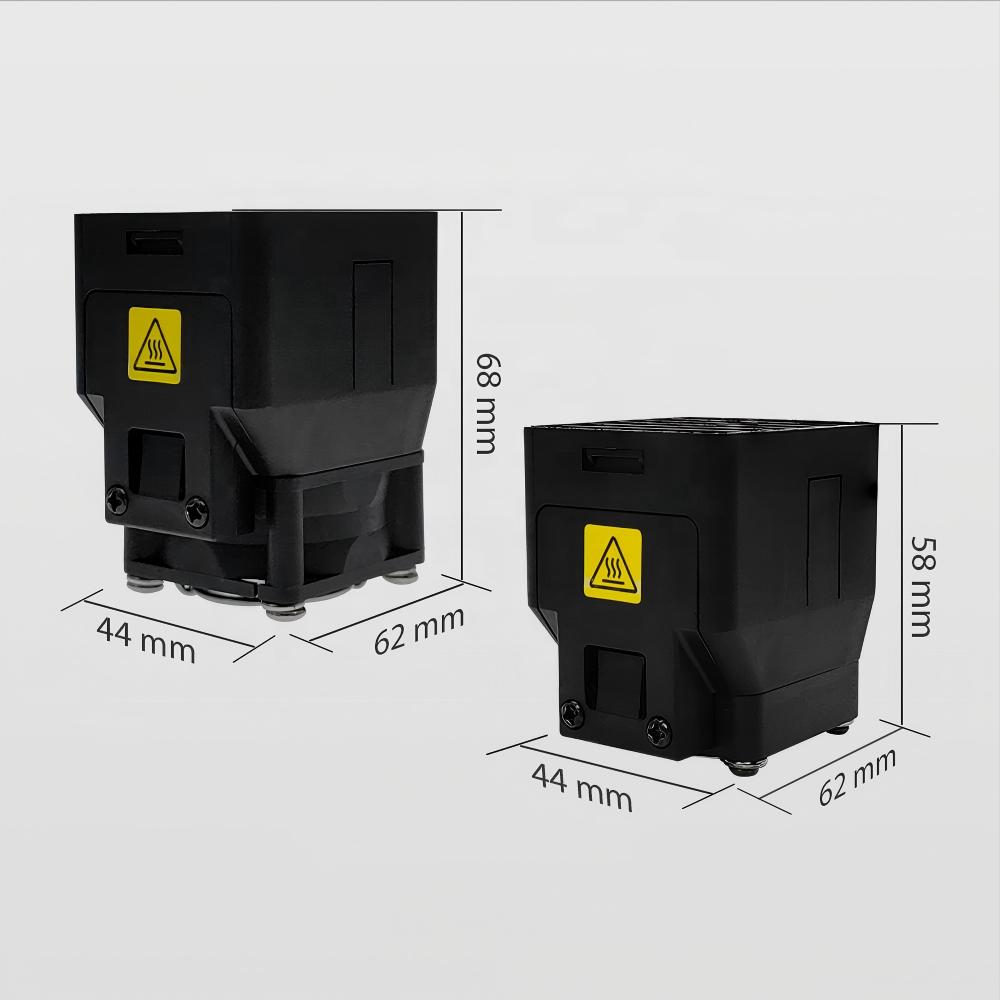
Two cold-site details worth respecting. First, heaters need to be mounted where they can’t cook cables or melt plastic; clearance rules exist for a reason.
Second, battery and electronics cabinets in cold climates have a special problem, because many batteries won’t charge below freezing and some electronics hate cold starts.
The heater isn’t just condensation protection in those cabinets; it’s part of keeping the system functional in January.
High-altitude and desert sites: the opposite problem
High-altitude and desert sites flip the script. The air is dry, so condensation is less of a daily threat, but the temperature swings are brutal, often 40 degrees or more between day and night, and the air is thin.
Thin air carries less heat, which means equipment runs hotter, and cooling fans have to work harder to move the same amount of heat. Add intense solar radiation during the day and radiative cooling at night, and you get thermal stress on everything from solder joints to seals.
The high-altitude priorities are ventilation and shade more than humidity. Make sure the cabinet has enough airflow for the thinner air, keep direct sun off the box with a shield or a roof, and let the equipment’s own heat keep the interior stable at night.
Static is also a real issue in very dry air, since low humidity lets static charge build up on surfaces and discharge into sensitive electronics. In those environments, holding humidity in a moderate band, not too wet, not bone dry, is the actual goal, which is a different target than a coastal cabinet.
The maintenance plan that ties it together
Whatever the site, the gear that survives is the gear that gets checked on a schedule that matches the seasons. A few habits pay for themselves:
- Open the cabinet on a cool morning at least once a season and look for beading and early corrosion. By noon, the evidence is gone.
- Check that heaters, controllers, and dehumidifiers actually cycle. A dead hygrostat is invisible until the cabinet corrodes.
- Change ventilation filters on a site-based schedule, more often in salt or dust.
- Keep a log of when failures happen. If they cluster in one season, that’s your condensation signature, and it tells you what to fix.
- After any work, seal the cabinet back up properly and re-check the breather and drain provisions.
Matching the hardware to the site
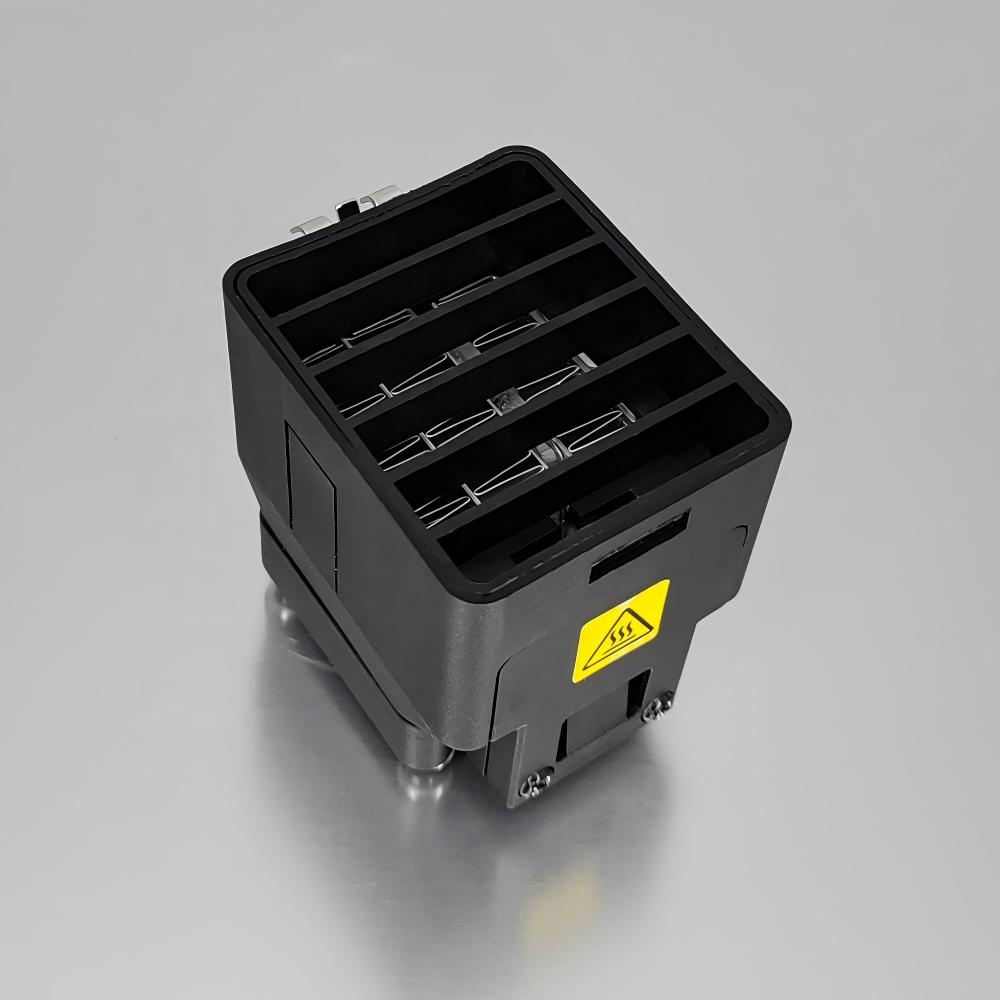
The good news is that none of this requires exotic equipment. The standard toolkit is the same four devices in different combinations: a low-wattage heater for cold and condensation, a thermostat or a temperature and humidity controller so it runs only when needed, a filter fan or heat exchanger for heat, and a compact thermoelectric dehumidifier for the genuinely wet sites.
Manufacturers who build this equipment for a living, including companies like Zhenrui Electric in Wenzhou that specialize in enclosure climate gear for wind, solar, storage, and telecom, sell matched packages sized to cabinet volume and site conditions, and they’ll tell you honestly when a site just needs a heater and when it needs the full system.
The bigger lesson is to design for the site’s worst season, not for the brochure photo. A cabinet that survives a coastal summer and a mountain winter is the same cabinet, plus a few hundred dollars of climate hardware and a maintenance schedule that respects the dew point.
That’s the whole field guide in one sentence: know what the air is doing, keep the surfaces above the dew point, and check it more often than you think you need to. Do that, and the harshest site on your list becomes just another enclosure.